3 Tips to Increase Your Campground's Revenue in 2026
The three biggest revenue levers for a modern campground are: an online reservation system, ongoing groundwork and amenity upgrades, and marketing that reaches campers where they actually search. Get those three right and most other revenue problems take care of themselves.
If you own or manage a campground, you know that providing a memorable experience for your guests is paramount. But you also understand the challenges of maintaining healthy revenue and occupancy rates throughout the year. Camping demand in North America has held at record levels since 2022, with KOA's most recent report showing more than 58 million households camping annually, yet operators tell us competition for those campers has never been fiercer.
Whether you're a seasoned campground owner looking for fresh ideas or just starting in the business, these strategies will help you turn your campground into a thriving business.
Campground Management Software
Online reservation systems are now the single biggest revenue driver most campgrounds can adopt. More than 70% of travel bookings in North America happen online, and survey data from KOA and Arrivia consistently shows that campers under 45 expect to be able to book a site the same way they book a hotel room: on their phone, in under two minutes, without phoning anyone. Campgrounds still relying on phone-and-paper reservations are leaving real money on the table. Here is why campground management software has become indispensable:
-
Accessibility and Convenience: Online reservation systems offer customers the convenience of booking services 24/7 from the comfort of their homes. This accessibility caters to a broader customer base, including those who prefer to plan their trips outside of regular business hours. It also eliminates the need for potential customers to visit your physical location or call, making the process more user-friendly.
-
Increased Bookings: The ease of making reservations online results in a higher volume of bookings. Operators who switch from phone-only to online reservations typically report 20 to 40% more bookings in their first full season, largely from after-hours and impulse reservations they never would have captured otherwise.
-
Reduced Overbooking and Human Error: Automation reduces the risk of overbooking and human errors, which can be costly and detrimental to customer satisfaction. Online systems can be synchronized with real-time availability, reducing the likelihood of double bookings and logistical issues.
-
Efficient Management: Online reservation systems often come with management tools that allow you to oversee your bookings, check-in/check-out processes, and customer information with ease. This efficiency can save time and resources, freeing your staff to focus on providing a better guest experience.
-
Data and Analytics: These systems provide valuable data on booking patterns, customer preferences, and peak seasons. This information is crucial for making informed decisions about pricing, marketing strategies, and overall business planning.
-
Global Reach: Online reservation systems can expose your business to a global audience. With the right marketing and optimization, you can attract customers from different regions, contributing to higher occupancy and revenue.
-
Customer Experience: Providing an easy, online booking experience enhances the overall customer experience. A user-friendly booking process can leave a positive impression on customers and increase the likelihood of repeat business and positive reviews.
-
Security and Payment Processing: Reputable online reservation systems come with secure payment processing options, ensuring that customer information and transactions are handled safely. This builds trust with your clientele and minimizes the risk of data breaches.
-
Adaptation to Market Trends: Online systems can adapt to emerging market trends, such as mobile booking apps, contactless check-ins, and AI-powered booking assistants. In 2026, AI Overviews in Google search and tools like ChatGPT are increasingly the first place campers look for stay recommendations, and campgrounds with a structured online presence are far more likely to be surfaced as an answer.
In a world where digital convenience is the norm, integrating an online reservation system is not just a convenience but a necessity for businesses in the hospitality and travel industry. It empowers you to better serve your customers, manage your operations efficiently, and ultimately boost revenue and occupancy rates.
Groundwork and Maintenance
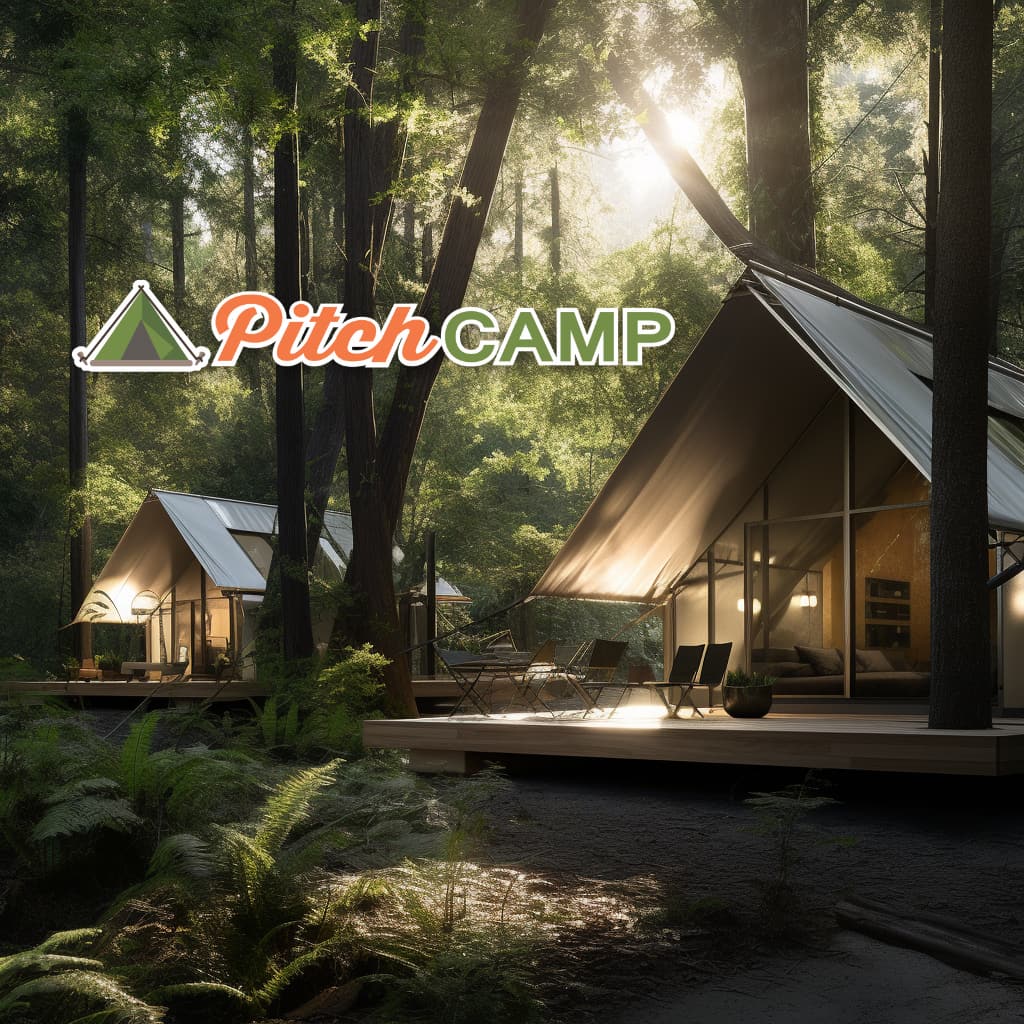
Upgrades and maintenance are crucial for the sustained success and appeal of any camping facility. Here's why these aspects are important.
-
Customer Experience: One of the primary reasons campers return to a campground or recommend it to others is the quality of their experience. Well-maintained facilities, clean amenities, and aesthetically pleasing surroundings create a positive impression. Upgrades, such as modernizing restroom facilities, adding recreational areas, or improving campsite infrastructure, can enhance the overall experience and make your campground more attractive to visitors.
-
Safety: Safety is a non-negotiable aspect of any campground. Regular maintenance ensures that all equipment and facilities are safe to use. This includes inspecting and repairing electrical systems, ensuring the structural integrity of buildings and platforms, and maintaining the safety of hiking trails and recreational areas. Keeping the campground safe not only protects your guests but also shields your business from potential liability issues.
-
Sustainability: Modern campers are increasingly concerned about environmental sustainability. Upgrades that focus on sustainability, such as energy-efficient lighting, water-saving fixtures, and waste management solutions, can attract eco-conscious campers and position your campground as an environmentally responsible choice.
-
Competitive Advantage: The camping industry is competitive. Campground upgrades can set you apart from the competition. Offering something unique and exceptional, whether it's through upgraded amenities, scenic improvements, or themed campsites, can make your facility the preferred choice for campers.
-
Extended Operating Season: Upgrades can allow your campground to operate in different seasons, expanding your revenue potential. For Canadian campgrounds this is especially valuable: a heated cabin or four-season glamping unit can earn revenue from October through May, the months when traditional sites sit empty. Many operators find that 30 to 40% of annual revenue from year-round units lands outside the core June-to-September window.
-
Higher Rates and Occupancy: A well-maintained and upgraded campground can justify higher rates, which directly impact revenue. Campers are often willing to pay more for a high-quality experience. Additionally, positive reviews resulting from upgrades and maintenance can lead to increased occupancy rates.
-
Preservation of Natural Resources: Responsible campground maintenance includes strategies for preserving the natural environment. Protecting flora, fauna, and ecosystems on your property can be a selling point, especially for campers who value the wilderness experience. These preservation efforts also ensure the long-term sustainability of your business.
-
Regulatory Compliance: Keeping your facilities up to code and in compliance with local regulations is essential. Failing to do so can result in fines, legal issues, and damage to your reputation. Regular upgrades and maintenance can help you stay in compliance with changing regulations.
-
Guest Satisfaction and Return Business: Satisfied guests are more likely to return and recommend your campground to others. Consistently upgrading and maintaining your facilities and services contributes to guest satisfaction, fostering loyalty and positive word-of-mouth marketing.
Campground upgrades and maintenance are essential investments that not only preserve and enhance the natural beauty of your property but also drive profitability and customer satisfaction. By prioritizing these aspects, you can ensure your campground remains a desirable and well-loved destination for outdoor enthusiasts
Marketing and Promotion
Marketing and promotion are essential for attracting new customers and retaining existing ones. The mix has shifted noticeably in 2025 and 2026: Google Business Profile, Google Reviews, and AI-generated answers now drive more direct booking traffic than traditional social media for most campgrounds. Here is why a modern marketing plan is crucial.
-
Visibility and Awareness: Effective marketing and promotion efforts increase the visibility of your campground. They ensure that potential campers are aware of your facility, its offerings, and its unique features. Without marketing, even the most exceptional campground can go unnoticed.
-
Customer Acquisition: Marketing is the key to acquiring new customers. It allows you to reach out to target demographics, showcase what sets your campground apart, and persuade potential campers to choose your facility over others. This is especially important for attracting first-time campers.
-
Repeat Business: Marketing doesn't end with acquiring new customers; it also fosters customer loyalty. By maintaining contact with past campers and offering promotions, updates, and incentives, you can encourage them to return for future trips.
-
Competitive Advantage: In a crowded marketplace, effective marketing can give you a competitive edge. Highlighting your unique selling points, whether it's beautiful scenery, special amenities, or an outstanding location, can help you stand out from the competition.
-
Revenue Growth: Marketing efforts can directly impact your revenue. Attracting more campers and increasing occupancy rates lead to higher earnings. Effective pricing strategies, driven by marketing insights, can also maximize your revenue potential.
-
Customer Engagement: Marketing is not just about selling; it's also about engaging with your audience. Social media, email campaigns, and other marketing tools allow you to interact with your campers, addressing their questions, sharing their experiences, and creating a sense of community. Engaged customers are more likely to become advocates for your campground.
-
Feedback and Improvement: Marketing efforts often involve seeking feedback from customers. This feedback is invaluable for making improvements to your campground. It helps you understand what your customers value and what areas may need enhancement, ultimately leading to a better camping experience.
-
Targeted Marketing: Modern marketing tools and data analytics allow for highly targeted campaigns. This means you can reach potential campers who are most likely to be interested in your offerings, increasing the efficiency and effectiveness of your marketing budget.
-
Adaptation to Market Trends: Campground marketing isn't static. It needs to adapt to changing consumer trends and preferences. The biggest shift in 2026 is that Google AI Overviews and chat-based search engines now answer many "best campground near…" questions before a user ever clicks a result, so structured FAQs, clear pricing pages, and accurate Google Business Profile data have become essential.
-
Trust and Credibility: Consistent and well-executed marketing builds trust and credibility. When potential campers see that you have a strong online presence, positive reviews, and a professional image, they are more likely to trust your campground with their vacation experience.
Marketing and promotion are the lifeblood of your campground's success. They connect you with customers, drive revenue, foster loyalty, and help you adapt to the ever-evolving camping industry. Neglecting marketing can lead to underutilized facilities, lower revenue, and a missed opportunity to create lasting memories.
Conclusion
As a campground owner, you are always looking for ways to increase your revenue. The three strategies outlined here, modern reservation software, ongoing groundwork and amenity upgrades, and marketing tuned for AI-era search, work together: better software frees up the hours you need to invest in upgrades, and well-maintained, well-marketed campgrounds command higher rates and stronger occupancy. Most Canadian campground owners who lean into all three see double-digit revenue growth within their first full season.
PitchCamp Campground Management Software

Make your reservation process simple and speedy for your customers, while helping your campground business to save time and money.